
Start with a category ابدأ من هنا
Cleaning and Laundry Guide for Egyptian Homes
Quick answerTo keep an Egyptian home clean with less effort, work to a short weekly routine: dust from top to bottom, then floors, then the kitchen and bathroom. Use the right tool for each job: a grease and rust cleaner for pots and stainless steel, a multi use brush for window screens, glass and sofa lint, a stain remover for fabric, and a soap dispensing brush for scrubbing. For laundry, sort before washing, dry fully before storing, and keep one basket per room so clothes never pile up.
In this guide
- Cleaning challenges in Egyptian homes
- A weekly routine that actually holds
- Kitchen grease, pots and stainless steel
- Windows, screens, balconies and dust
- Sofas, carpets and fabrics
- A laundry routine for the whole family
- Stains on clothes and shoes
- How to choose cleaning tools
- Mistakes to avoid and tool care
- Questions people ask
Cleaning challenges in Egyptian homes
Cleaning in Egypt has its own rhythm. Dust is the big one: it blows in through windows and balcony doors, settles on every surface within a day, and builds up on window screens until they look grey. Kitchens see a lot of frying and slow cooking, so grease lands on the stove, the tiles and the pots. Families are often large, so laundry never really stops, and kids, guests and daily life bring stains to sofas, carpets and clothes.
Most homes struggle with the same few things:
- Burnt grease on pots and pans that normal washing up does not lift.
- Window and balcony screens clogged with dust and hard to clean without taking them out.
- Lint and hair on fabric sofas, and stains that set because they were not treated in time.
- Laundry piled in a corner because there is no fixed place to collect it.
- Shoes that look dull because cleaning them takes water, a brush and time.
The fix is not cleaning more hours. It is a routine that spreads the work across the week, and tools that do each job in fewer strokes. This guide covers both.
A weekly routine that actually holds
Big cleaning days are exhausting and easy to skip. Short daily tasks plus one focused task per day keep the home clean without a full lost Friday.
- Daily, ten minutes. Wipe the kitchen counter and stove after dinner, wash the dishes, and put clothes in the laundry basket.
- Clean top to bottom. Dust shelves and surfaces before you sweep or mop, so falling dust does not land on a clean floor.
- Give each day one zone. For example: kitchen deep clean, bathroom, bedrooms, living room, windows and balcony, laundry and ironing.
- Keep tools where you use them. A brush and cleaner under the kitchen sink, another set in the bathroom. Less walking means less skipping.
- Treat stains the same day. A fresh stain lifts far more easily than one that has dried for a week.
- Reset on the weekend. Fifteen minutes to check what was missed and refill cleaners and sponges.
Tip: Close the windows on windy days and dust the next morning, not during the wind. You clean once instead of twice.
Kitchen grease, pots and stainless steel
Grease is the toughest kitchen job. Daily frying leaves a film on the stove, the tiles behind it and the pots themselves, and burnt layers on the bottom of a pan only get harder with time.
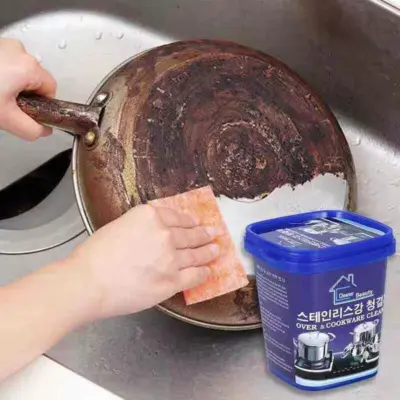
A cleaner made for burnt grease and rust removes it from pots, stainless steel and aluminium and brings back the shine, so cookware you were ready to replace looks right again.

From Cairo HubsMagic Grease and Rust Cleaner for Cookware Original price was: 137 EGP.105 EGPCurrent price is: 105 EGP.Add to cartView product
- Wipe the stove and the tiles behind it while they are still slightly warm, not hot. Fresh grease comes off with much less effort.
- Soak burnt pots before scrubbing rather than scraping with force.
- Clean the extractor filter regularly. A greasy filter drips back onto the stove.
- Dry stainless steel after washing to avoid water marks.
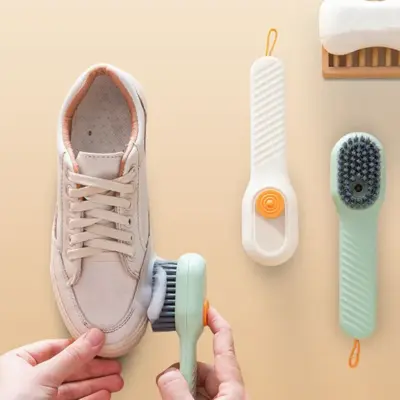
For scrubbing, a brush with a built in soap reservoir releases soap at a press, so you are not pouring washing up liquid onto a sponge every minute. It works on dishes and also on shoes, clothes and fabrics.

From Cairo HubsSoap Dispensing Cleaning Brush Original price was: 111 EGP.85 EGPCurrent price is: 85 EGP.Add to cartView product
Knives and cutlery are the riskiest things to wash by hand. A cutlery cleaning brush cleans both sides of a knife, fork or spoon at once, with a non slip grip, so your fingers stay away from the blade. For organizing the kitchen itself, read our kitchen organization guide.
Windows, screens, balconies and dust
Window and balcony screens keep insects out, but they catch every bit of dust. Taking them out to wash is a job most people put off for months.
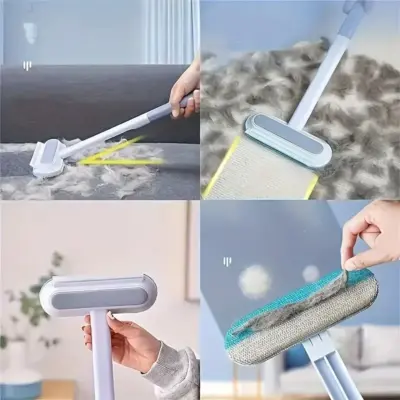
A 4 in 1 cleaning brush handles this without removing the screen. It cleans window screens, wipes glass, lifts lint and hair from sofas, and reaches tight corners, so one tool covers several jobs around the home.

From Cairo Hubs4 in 1 Cleaning Brush for Screens, Glass and Lint Original price was: 163 EGP.125 EGPCurrent price is: 125 EGP.Add to cartView product
- Brush screens dry first to remove loose dust, then wipe.
- Clean glass on a cloudy day or in the shade. In direct sun it dries too fast and leaves streaks.
- Work from the top of the window down.
- Sweep the balcony before you wash it, or the dust turns into mud.
- Check screens for holes while you clean. Small tears can be patched with screen repair patches or tape before insects find them.
Gaps around window frames let in dust and insects too. Sealing them is covered in our smart home fixes guide.
Sofas, carpets and fabrics
Fabric sofas, cushions and car seats take daily wear: tea spills, food from kids, hair and lint. The rule for fabric is simple: act fast, use as little liquid as possible, and blot rather than rub.
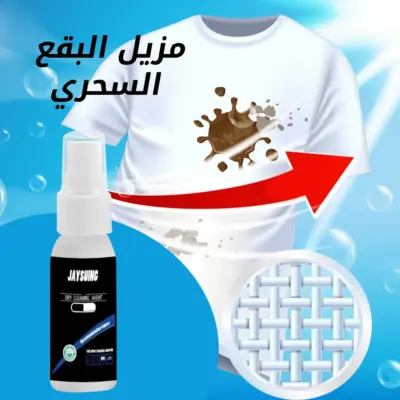
A stain remover spray made for clothes, sofas and car seats works with a spray and a wipe, which suits upholstery that you cannot put in a washing machine.

From Cairo HubsMagic Stain Remover Spray 60ml Original price was: 137 EGP.105 EGPCurrent price is: 105 EGP.Add to cartView product
- Lift any solid residue with a spoon or a dry cloth.
- Test the product on a hidden spot first.
- Spray lightly and wipe or blot from the outside of the stain inward so it does not spread.
- Let the fabric dry fully before anyone sits on it.
For carpets and rugs, vacuum or brush weekly, and turn them every few months so they wear evenly. If a rug slips or curls at the corners, anti slip rug grippers keep it flat and in place, and they are washable and reusable.
A laundry routine for the whole family
In a family home, laundry is a daily flow, not a weekly event. The goal is that clothes move from body to basket to machine to wardrobe without stopping in piles on chairs.
- One basket per bedroom. Clothes go straight in, never on the floor.
- Sort before washing. Whites, darks and colours, and delicate items apart. Check pockets every time.
- Wash full loads but do not overfill. Clothes need room to move to come out clean.
- Dry fully. Clothes folded damp smell within a day.
- Fold or hang straight off the line. It saves a lot of ironing.
- Iron with care. An iron shoe cover on the soleplate prevents burns and shine marks on delicate fabrics.
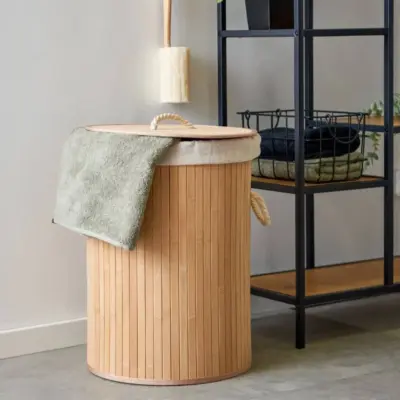
A wooden laundry basket with a removable linen liner keeps clothes out of sight in the bedroom or bathroom, and the liner comes out to be washed. For moving loads to the machine or the line, a light flexible basket with two handles is easier to carry and doubles as storage when it is empty.

From Cairo HubsBamboo Laundry Basket with Lid and Removable Linen Liner Original price was: 761 EGP.585 EGPCurrent price is: 585 EGP.View productSold out for now
Stains on clothes and shoes
Many stains happen outside the home: coffee on a shirt at work, food on a kid’s school uniform, dust and mud on white sneakers. Treating them on the spot makes the difference between a quick wash and a ruined piece.
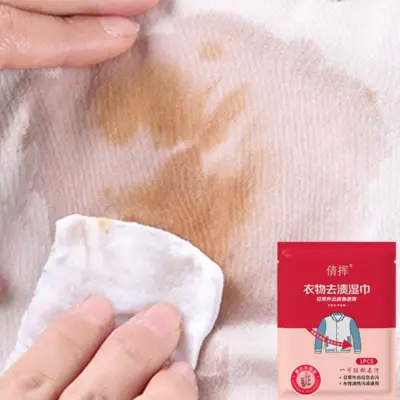
Stain remover wipes lift stains from clothes and shoes without water, and they fit in a handbag or the car, so you deal with a stain in the moment.

From Cairo HubsStain Remover Wipes for Clothes and Shoes, 64 Wipes Original price was: 163 EGP.125 EGPCurrent price is: 125 EGP.Add to cartView product
- Blot the stain, do not rub it deeper into the fibres.
- Treat it as soon as you can, then wash as usual at home.
- For shoes, wipe after a dusty day instead of waiting for a weekly clean. Shoe cleaning wet wipes clean and shine shoes in seconds with no water.
- Let shoes air dry away from direct heat.
How to choose cleaning tools
- One job, one tool, or one tool for many jobs. A specific cleaner for grease, and a multi use brush for screens, glass and lint, cover most of the home.
- Check the surface. Stainless steel, aluminium, fabric and glass all need different handling. Read what each product is made for.
- Think about storage. Tools that live where you use them get used. Pick sizes that fit under the sink or in the bathroom cabinet.
- Prefer fewer strokes. A brush that releases its own soap or cleans two sides at once saves time every day.
- Keep something portable. Wipes for clothes and shoes in the bag or car handle stains before they set.
- Built for daily use. Bristles, handles and grips should stay firm after weeks of scrubbing.
Every item in our Cleaning & Laundry range is tested by the team before it is listed, and chosen because it does a real cleaning job faster. Delivery reaches every governorate in Egypt.
Mistakes to avoid and tool care
- Mixing cleaning products. Never mix different cleaners. Use one, rinse, then use another if needed.
- Too much liquid on fabric. Soaking a sofa pushes the stain deeper and slows drying.
- Cleaning glass in the sun. It dries too fast and streaks.
- Mopping before dusting. Dust falls on the clean floor and you start again.
- Storing laundry damp. Damp clothes and towels smell and can grow mould in closed baskets.
- Forgetting the tools themselves. A dirty brush spreads dirt instead of removing it.
Look after your tools and they last longer:
- Rinse brushes after each use and let them dry with bristles facing down or to the side.
- Refill a soap dispensing brush with washing up liquid only, and rinse the reservoir from time to time.
- Wash the liner of the laundry basket every few weeks.
- Close cleaner and wipe packs tightly so they do not dry out, and keep them away from children.
More cleaning and laundry guides
 How to Wash Dishes Faster and With Less Soap After a Family MealA full sink after Friday lunch or a dinner for guests? The washing order and the brush that…
 How to Stop Clothes Piling Up on the Bedroom ChairThe bedroom chair full of clothes again? Where to put the laundry basket, how to sort as you…
 How to Clean Burnt Grease Off the Bottom of Pots and PansBlack crust on the pot base that steel wool will not shift? How to remove burnt grease and…
 How to Clean Window Screens Without Taking Them OffDusty window screens after a windy week? Clean them in place with one brush, then finish the glass,…
 How to Remove a Coffee Stain From Your Shirt When You Are OutCoffee on your shirt before a meeting or juice on the school uniform? How to treat a stain…
 How to Remove Food Stains From a Sofa, Clothes and Car SeatsA simple routine to lift fresh food stains from sofas, clothes and car seats at home: what to…
Questions people ask
How do I remove burnt grease from pots?
Soak the pot first, then use a cleaner made for burnt grease and rust on pots, stainless steel and aluminium, and scrub with a brush. Rinse and dry well. Avoid scraping with force, which scratches the surface.
How do I clean window screens without removing them?
Brush the screen dry to remove loose dust, then wipe. A 4 in 1 cleaning brush is made to clean window screens in place, and it also wipes glass and reaches tight corners.
How do I remove a stain from a fabric sofa at home?
Lift any residue, test the product on a hidden spot, spray a stain remover lightly, and blot from the outside in. Let it dry fully. Treat the stain the same day for the best result.
How often should I clean the house?
A short daily reset of about ten minutes, one deeper zone each day of the week, and a quick weekend check keep most homes clean without one exhausting cleaning day.
How do I stop laundry from piling up?
Keep one basket in each bedroom, sort before washing, dry clothes fully, and fold or hang them straight off the line. A fixed place for dirty clothes is the step most homes skip.
Where can I buy cleaning tools in Egypt?
Cairo Hubs sells cleaning brushes, grease and stain removers and laundry baskets, each tested by the team before listing, with delivery to every governorate in Egypt. Delivery costs 80 EGP and is free on orders over 1,000 EGP.
 Storage & Organization
 Kitchen & Dining
 Mugs & Drinkware
 Travel & Lunch Boxes
 Ramadan
 Cleaning & Laundry
 Bathroom
 Bedroom & Living
 Decor & Lighting
 Office & Study
 Kids & Toys
 Winter Slippers
 Smart Tools
 Tools & Repairs
 Car Accessories
 Health & Beauty
 Sports & Fitness